


Transform Poetry into Music for Dressage Tests
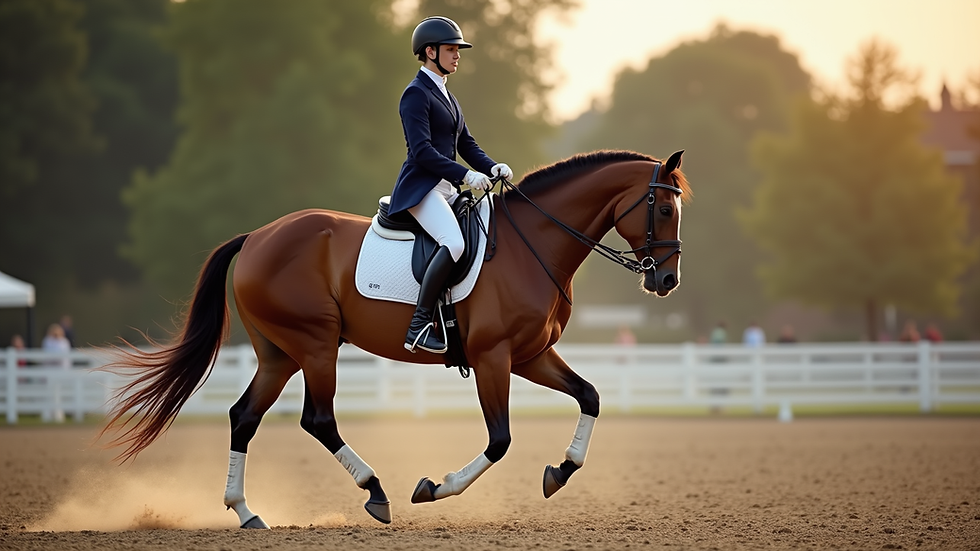
Dressage is often described as the highest expression of horse training, where horse and rider perform a series of predetermined movements from memory. The elegance and precision of dressage can be enhanced significantly by the right music, creating a captivating performance that resonates with both the audience and the judges. But how do you transform poetry into music that suits the rhythm and flow of dressage tests? This blog post will guide you through the process, offering practical tips and examples to help you create a beautiful musical accompaniment for your next dressage performance.
Understanding the Connection Between Poetry and Music
Poetry and music share a deep-rooted connection. Both art forms rely on rhythm, meter, and emotion to convey meaning. When you think about transforming poetry into music, consider the following aspects:
Rhythm: Just as poetry has a specific rhythm, music has beats and measures that can complement the movements of a horse.
Emotion: Poetry often evokes strong feelings, and music can amplify these emotions, enhancing the overall performance.
Imagery: The vivid imagery found in poetry can inspire the musical themes and motifs you choose.
By understanding these connections, you can create a musical piece that not only supports the movements of the horse but also tells a story that resonates with the audience.
Selecting the Right Poem
The first step in transforming poetry into music is selecting a poem that resonates with you and fits the theme of your dressage test. Here are some tips for choosing the right poem:
Theme: Look for poems that reflect the emotions or themes you want to convey in your performance. For example, a poem about freedom might pair well with a test that showcases the horse's grace and agility.
Length: Consider the length of the poem. A shorter poem may be easier to set to music, while a longer one may require you to select specific stanzas or lines that capture the essence of the piece.
Imagery: Choose a poem with strong imagery that can inspire musical motifs. For instance, a poem that describes nature might lead to a more flowing, organic musical style.
Example of a Poem Selection
For instance, consider the poem "The Road Not Taken" by Robert Frost. Its themes of choice and reflection can be beautifully expressed through music, allowing for a dynamic interpretation that mirrors the horse's movements.
Composing the Music
Once you have selected a poem, the next step is to compose the music. Here are some practical steps to guide you through the process:
1. Analyze the Poem
Before you start composing, analyze the poem's structure, rhythm, and emotional tone. Pay attention to:
Meter: Identify the meter of the poem. Is it iambic pentameter, trochaic tetrameter, or free verse? This will help you determine the musical rhythm.
Pacing: Consider the pacing of the poem. Are there slow, reflective moments that could be matched with softer music? Are there more energetic sections that could be paired with lively melodies?
2. Create a Musical Theme
Develop a musical theme that reflects the poem's essence. This theme should be memorable and adaptable to different sections of the poem. Here are some tips:
Melody: Create a melody that captures the emotional tone of the poem. For example, a melancholic poem might benefit from a minor key, while a joyful poem could be set in a major key.
Instrumentation: Choose instruments that complement the mood of the poem. Strings can evoke warmth and intimacy, while brass can add a sense of grandeur.
3. Structure the Composition
Structure your composition to align with the poem's flow. Consider the following:
Verses and Chorus: If the poem has distinct sections, you can create verses and a chorus in your music. This will help emphasize key moments in the poem.
Dynamics: Use dynamics to enhance the emotional impact. Softer passages can create tension, while louder sections can provide release.
Example of Musical Composition
For "The Road Not Taken," you might start with a gentle piano melody that reflects the poem's contemplative nature. As the poem progresses, you could introduce strings to build intensity, mirroring the poem's themes of choice and consequence.
Synchronizing Music with Dressage Movements
Once you have composed the music, the next step is to synchronize it with the dressage movements. This is crucial for creating a seamless performance. Here are some tips:
1. Identify Key Movements
Identify the key movements in your dressage test and match them with specific musical phrases. For example:
Transitions: Use musical crescendos to highlight transitions between movements.
Complex Movements: Pair intricate musical passages with complex maneuvers, such as pirouettes or flying changes.
2. Practice with Your Horse
Practice riding to the music to ensure that the horse's movements align with the musical rhythm. This will help you make any necessary adjustments to the composition or your riding style.
3. Record and Refine
Record your practice sessions to evaluate how well the music complements the performance. Make adjustments as needed to ensure a harmonious blend of horse and music.
Performance Tips
When it comes time to perform, consider the following tips to enhance your presentation:
1. Embrace the Emotion
Allow the music to guide your emotions during the performance. Connect with the music and let it influence your riding style, creating a more engaging experience for the audience.
2. Focus on Timing
Pay close attention to timing, ensuring that your movements are in sync with the music. This will create a polished and professional performance.
3. Engage the Audience
Use your performance to tell a story. Engage the audience with your expressions and movements, drawing them into the narrative of the poem and the music.
Conclusion
Transforming poetry into music for dressage tests is a creative and rewarding process. By selecting the right poem, composing thoughtful music, and synchronizing it with your horse's movements, you can create a captivating performance that resonates with both judges and spectators. Remember to embrace the emotional connection between the poem and the music, allowing it to enhance your riding experience.
As you embark on this artistic journey, take the time to experiment and refine your composition. Your unique interpretation will not only elevate your performance but also deepen your connection with your horse. So, gather your favorite poems, let your creativity flow, and prepare to mesmerize your audience with a beautiful blend of poetry and music.


Comments